Shanghai: Old Gold, New Skyline, One River Holding Both
Logistics and Urban Connectivity
We transitioned from Hangzhou to Shanghai by private bus, arriving at our accommodation at 12:30 PM. The afternoon was spent on navigating the city's public infrastrucutre, taking the metro somewhere more central where we went bowling.
The Shanghai Metro runs with headways of roughly 5 minutes and fares between €0.50 and €1.00. By any standard, it is a benchmark for high-density urban transit.
For lunch we went to the Xuhui District for Jiangxi stir-fry, a regional speciality that gave us an early taste of how diverse Shanghai's food scene really is. And for dinner we went with a group to get street food: lamb skewers.
Legal Frameworks and Supply Chain Logistics
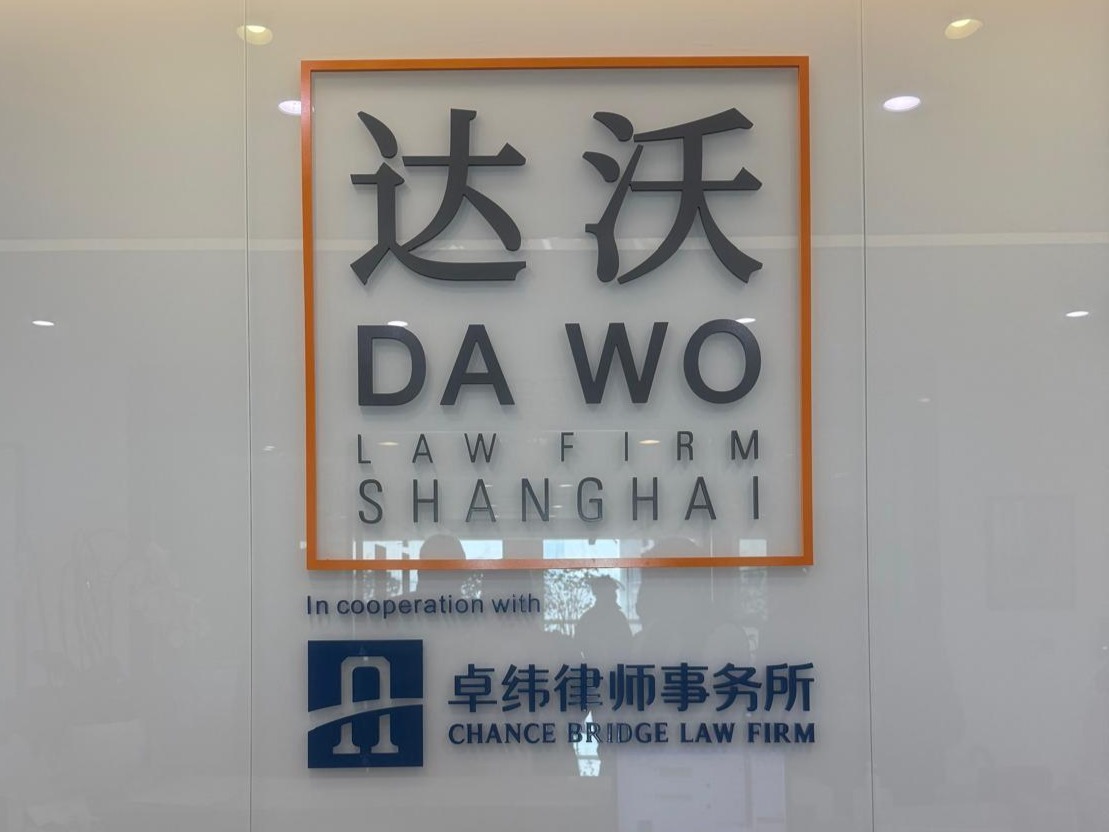
The most thought-provoking part of the day was a seminar at DaWo Law Firm, where we explored how Chinese and European legal frameworks diverge, particularly around data privacy. Where Europe's GDPR puts the individual first, China's approach frames security through the lens of social stability, backed up by widespread facial recognition and centralised surveillance infrastructure.
One unexpected case study: rather than halting development for a protected heritage site, China will sometimes physically relocate the entire structure — preserving the building while freeing up the land.
We then visited the Waigaoqiao Free Trade Zone to observe international trade logistics first-hand, including manual quality checks on luxury imports like French wine, even inside a high-tech free trade zone.
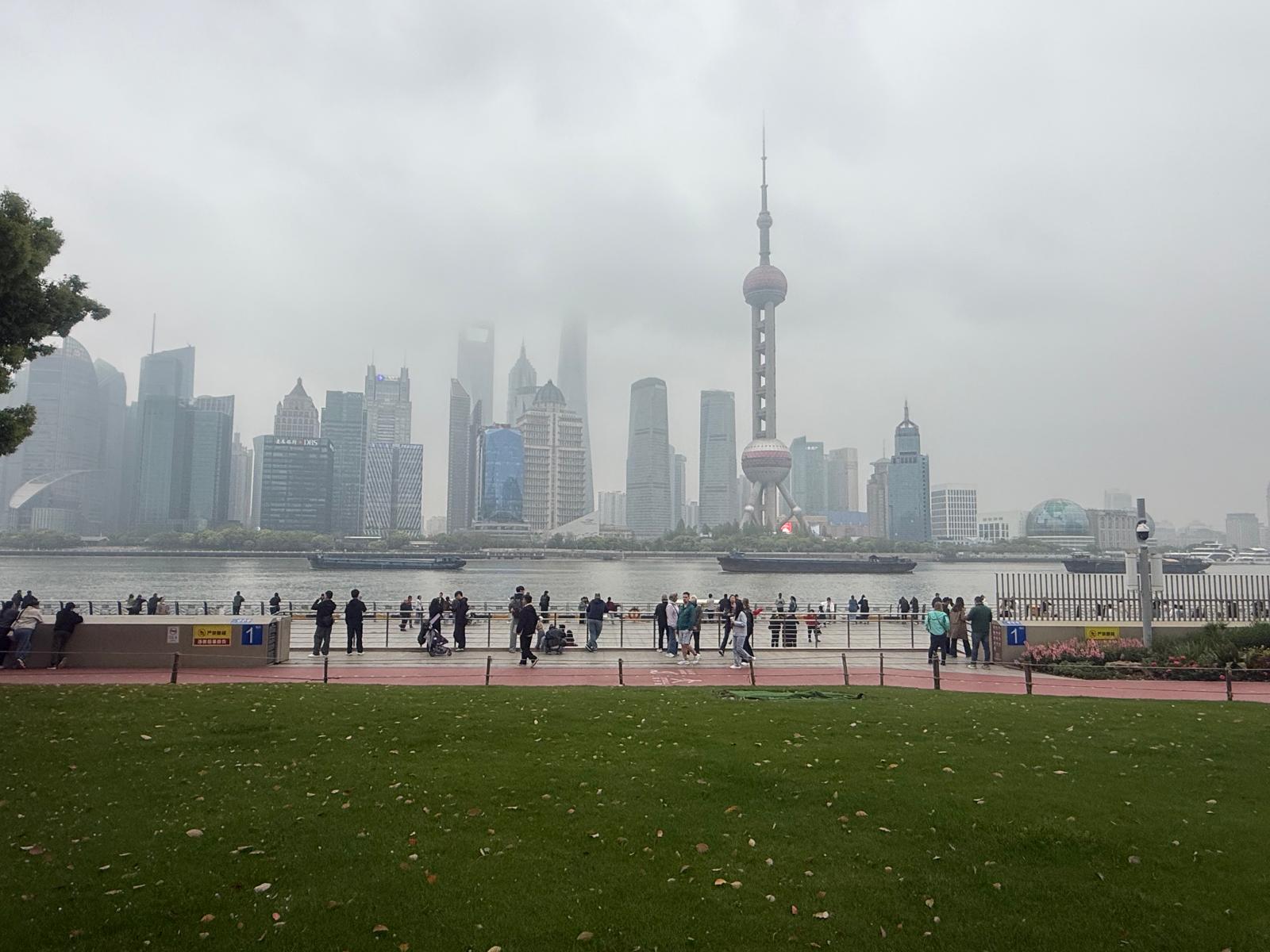
The evening was spent walking around The Bund, for a nice view of the skyline, however as it was too foggy we came back the next day and caught a better view.